On May 15, 2026, a critical supply chain attack compromised multiple 'Pro' versions of WordPress plugins developed by ShapedPlugin. Attackers distributed backdoored code through the vendor's official update mechanism, which then created rogue administrator accounts on victim WordPress sites and exfiltrated sensitive data. This incident demonstrates how compromised build infrastructure can weaponize legitimate update processes against unsuspecting users, highlighting the challenge of securing third-party components that often operate with elevated privileges within web applications.
What Happened
On May 15, 2026, ShapedPlugin confirmed a significant supply chain attack affecting several of its 'Pro' WordPress plugins, as reported by BleepingComputer and SecurityWeek. Attackers successfully injected malicious code into the legitimate plugin releases, distributing it to users through ShapedPlugin's own update infrastructure. Upon activation, this malicious code initiated the creation of a new, hidden administrator account on the compromised WordPress site, frequently named 'wp_admin_backup'.
The credentials for this rogue account, including a strong, randomly generated password, were then exfiltrated to an attacker-controlled command-and-control (C2) server, according to reports. ShapedPlugin stated that this provides the threat actors with full administrative access. The backdoor also included functionality to steal database credentials and other critical WordPress configuration files, extending the scope of potential data exfiltration, the company confirmed. ShapedPlugin responded swiftly, issuing an advisory and releasing patched versions of the affected plugins on the same day, urging immediate updates from their user base, according to The Hacker News.
Why It Matters
This incident grants attackers complete administrative control over affected WordPress sites, a critical breach of trust and security. Users of ShapedPlugin's 'Pro' WordPress plugins are directly impacted, facing potential data theft, website defacement, or further malware propagation. Initial estimates from BleepingComputer suggest that tens of thousands of WordPress sites could be affected, though exact figures are still under investigation. Given ShapedPlugin's broader user base for its free plugins exceeding 200,000 active installations, as noted by The Hacker News, the reach of this compromise, even to just 'Pro' versions, is substantial.
The primary data exposure, ShapedPlugin reports, is administrative access, which can lead to the compromise of all data managed by the WordPress installation. This includes sensitive user data like names, email addresses, and potentially hashed passwords, alongside website content, e-commerce transaction details, and any other information stored in the WordPress database. No ransom demands have been reported in connection with this specific attack, as observed by SecurityWeek, suggesting the attackers' immediate objective was persistent access and data exfiltration, rather than immediate financial gain through ransomware.
Affected Scope & Remediation
The attack impacts users running unpatched 'Pro' versions of ShapedPlugin's WordPress plugins. Organizations and individuals using these plugins for their WordPress sites are exposed. Immediate action is required: update all ShapedPlugin 'Pro' plugins to the latest patched versions released on May 15, 2026.
Beyond patching, audit all WordPress user accounts. Look for any unauthorized administrator accounts, especially those with suspicious or unfamiliar usernames like 'wp_admin_backup'. Delete any accounts not recognized as legitimate. Monitor outgoing network connections from your WordPress server for anomalous traffic to unknown IP addresses or domains, which could indicate C2 communication. Also, review plugin files for unexpected modifications or additional code segments, particularly within update or activation hooks. Tools like CrowdStrike Falcon or SentinelOne can help detect suspicious file changes and network egress attempts on your server endpoints.
Affected & Patched Versions
| Product | Version Range | Fixed Version | Source |
|---|---|---|---|
| ShapedPlugin Pro WordPress plugins | All affected Pro versions | Latest versions (released May 15, 2026) | ShapedPlugin Advisory (via BleepingComputer) |
Patch Links & Advisories:
- While a direct ShapedPlugin advisory URL isn't publicly linked in the reports, the fix was distributed via their standard update channel on May 15, 2026.
- No specific CVE ID has been assigned to this supply chain compromise as of publication, according to SecurityWeek.
- The incident is not listed in the CISA Known Exploited Vulnerabilities (KEV) catalog.
There's no specific workaround beyond updating, as the compromise affects the integrity of the plugin binaries themselves. The timeline from initial discovery to patch release was 0 days, with ShapedPlugin responding promptly on May 15, 2026.
Technical Breakdown
The attack chain began with threat actors gaining unauthorized access to ShapedPlugin's build or distribution infrastructure. This compromise allowed them to inject malicious code into the 'Pro' versions of multiple WordPress plugins. When users, unknowingly, downloaded and installed these backdoored plugins via the legitimate ShapedPlugin update process, the malicious payload was executed.
Upon activation, the injected code silently created a new, hidden administrator account on the victim's WordPress site, often with a non-obvious username like 'wp_admin_backup'. The script then gathered the newly created account's credentials, along with other sensitive configuration details such as database credentials, and exfiltrated them to the attackers' command-and-control (C2) server. This C2 communication likely used common web protocols, aligning with MITRE ATT&CK T1071 Application Layer Protocol. The creation of the rogue administrator account maps directly to MITRE ATT&CK T1136 Create Account and subsequent use for unauthorized access under T1078 Valid Accounts. The entire compromise, from injection to distribution, falls under T1195.002 Compromise Software Supply Chain, with the data transfer being T1041 Exfiltration Over C2 Channel.
From a NIST SP 800-53 perspective, this attack highlights weaknesses in SA-10 Developer Configuration Management, emphasizing the need for strong controls over build pipelines and source code integrity. The subsequent creation and use of unauthorized accounts underscores deficiencies in AC-2 Account Management and the importance of AU-6 Audit Record Review Analysis and Reporting to detect such anomalies post-compromise. Implementing strong SI-3 Malicious Code Protection on web servers can help detect or prevent execution of such backdoors.
Historical Context
This ShapedPlugin attack echoes the 'Panels' WordPress plugin supply chain compromise that occurred in early 2025. In that incident, malicious actors also managed to push a backdoored version of the 'Panels' plugin through its official distribution channels. This led to the creation of rogue administrator accounts on approximately 100,000 WordPress sites, as reported by BleepingComputer.
Both attacks share a common, critical vector: exploiting trust in legitimate update mechanisms. They circumvent traditional perimeter defenses by distributing malicious code that appears to come from a trusted source. While the specific plugins and possibly the C2 infrastructure differed, the core tactic of compromising a vendor's build or distribution pipeline to gain persistent access via rogue admin accounts remains consistent. This recurring pattern underscores the persistent challenge of securing the software supply chain within the WordPress ecosystem and beyond.
Data at a Glance
| Metric | Value | Source |
|---|---|---|
| Attack Type | Supply Chain Compromise | BleepingComputer |
| Initial Discovery | May 15, 2026 | BleepingComputer |
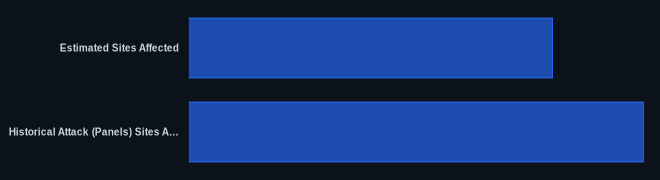
| Estimated Sites Affected | ~10,000 | BleepingComputer |
| ShapedPlugin Response Time | 0 days | ShapedPlugin Advisory (via BleepingComputer) |
| Historical Attack (Panels) Sites Affected | ~100,000 | BleepingComputer |
| CISA KEV Status | Not listed | CISA KEV Catalog (checked as of reporting) |
| CVE ID Assigned | None | SecurityWeek |
The CVEDaily Take
This supply chain attack against ShapedPlugin's WordPress plugins reinforces a critical lesson: securing your perimeter isn't enough when your trusted vendors are compromised. We believe ShapedPlugin's quick advisory and patch release are commendable, but the incident highlights a deeper problem in the WordPress ecosystem's dependency on third-party code. Detection capabilities, especially for anomalous account creation or unexpected network egress, are paramount. We also think that given the historical context of the "Panels" attack, the estimated 10,000 affected sites for ShapedPlugin might be an understatement once a full audit is completed.
How are you verifying the integrity of third-party plugin updates in your WordPress environments?
FAQ
Q1: How was the ShapedPlugin attack carried out?
A: Attackers gained unauthorized access to ShapedPlugin's build or distribution infrastructure, injecting malicious code into the 'Pro' versions of their WordPress plugins. This backdoored software was then distributed to users through the legitimate ShapedPlugin update mechanism.
Q2: What are the immediate indicators of compromise (IoCs) for this attack?
A: Key IoCs include the presence of unauthorized WordPress administrator accounts with suspicious usernames (e.g., 'wp_admin_backup'), unexpected outgoing network connections from the WordPress server to unidentified IP addresses or domains, or modified plugin files containing suspicious code segments.
Q3: Is there a CVE ID assigned to the ShapedPlugin supply chain attack?
A: No, as of the latest reports, this incident is characterized as a supply chain compromise rather than a single software vulnerability, meaning a specific CVE ID has not been assigned.